
Popular Tree Removal Tools Every Arborist Needs in Their Arsenal
Discover essential tools and accessories that ensure smooth, reliable, and professional-grade tree removal projects.
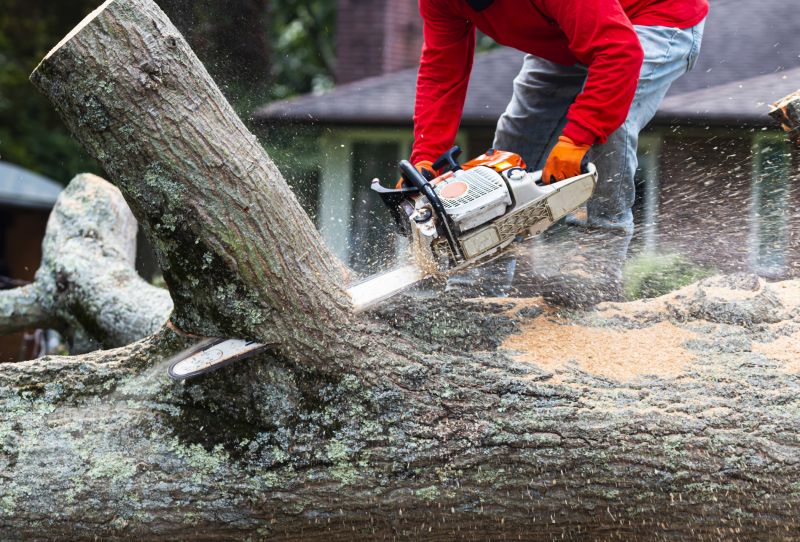 Tree removal is a significant task for maintaining the safety and aesthetics of outdoor spaces, especially in areas with mature or problematic trees. Whether dealing with dead, diseased, or hazardous trees, selecting the appropriate tools and equipment is crucial for efficient and safe removal. From manual hand tools to powered machinery, there is a wide range of products designed to assist in various aspects of tree removal projects. Proper planning and the right equipment can help minimize risks and ensure the job is completed effectively.
Top Overall Option
Multi-Function Tree Removal Kit
A comprehensive tree removal kit that includes a variety of hand tools, safety gear, and accessories designed to handle different aspects of tree cutting and disposal. Ideal for homeowners and professionals seeking versatility and reliability in one package.
Types of Products For Tree Removals
Chainsaws
Powerful handheld tools for cutting through large branches and trunks efficiently.
Pruning Saws
Manual saws designed for precise cuts on smaller branches and limbs.
Pole Saws
Extendable saws suitable for reaching high branches safely from the ground.
Hand Pruners
Compact tools for trimming and removing smaller branches and twigs.
Loppers
Long-handled cutting tools for reaching and trimming thicker branches.
Safety Gear
Protective helmets, gloves, goggles, and hearing protection essential for safe operation.
Tree Climbing Gear
Harnesses, spikes, and ropes for professional tree climbers managing large removals.
Cabling and Bracing Equipment
Support systems to stabilize compromised trees before removal.
Wood Chippers
Machines that convert branches and small trunks into mulch or chips.
Winches and Lifting Devices
Equipment to assist in lowering large sections safely and controlled removal.
Debris Bags and Disposal Containers
Tools for collecting and transporting cut branches and wood debris.
Stump Grinders
Machines used to remove remaining stumps after tree removal.
Rope and Pulley Systems
Assist in controlled lowering and positioning of heavy tree parts.
Chainsaw Accessories
Bars, chains, and oil for maintaining and enhancing chainsaw performance.
Tree Removal Apps and Guides
Digital tools and manuals to assist with planning and safety procedures.
Popular Choices
Wireless power tools suitable for small to medium tree removals with ease of maneuverability.
Versatile tools for trimming high branches without climbing.
Protective headgear with face shields for enhanced safety during cutting tasks.
Compact machines for on-site debris processing.
High-quality harnesses, spikes, and ropes for safe climbing and removal.
Quiet and portable options for detailed trimming work.
Versatile accessories for existing equipment to handle stump removal.
Supports for weakened trees to prevent failure before removal.
Easy-to-use tools for quick trimming tasks.
Reliable gear for controlled lowering of large tree sections.
Lubricant to ensure smooth operation and prolong tool life.
Innovative devices for precise trimming in hard-to-reach areas.
Protective gloves designed for handling rough and sharp materials.
Secure harnesses for professional tree climbers.
Compact units for on-site stump removal.
Safety nets for catching falling branches during trimming.
Digital tools for planning and managing tree removal projects.
In addition to safety gear and cutting tools, specialized equipment such as pruning saws, chainsaw accessories, and lifting devices are often necessary for handling different sizes and types of trees. For larger trees, equipment like cranes or winches might be employed, but for smaller to medium-sized trees, handheld tools and portable power equipment are typically sufficient. It's important to assess the size and condition of the tree, as well as the surrounding environment, before choosing the right products.
Safety should always be a top priority when undertaking tree removal. Using protective gear such as helmets, gloves, eye protection, and hearing protection can help prevent injuries. Proper training and understanding of the tools are essential to avoid accidents. Additionally, considering the local regulations and consulting with professionals when dealing with large or complex removals can help ensure compliance and safety.
Having the right products for tree removal can make the process smoother and safer. Investing in quality tools and equipment suited to your specific needs will not only facilitate the removal process but also contribute to safer work practices. Whether you are a homeowner managing a small tree or a professional arborist handling large-scale removals, the right selection of products is key to achieving successful results.
Key Buying Considerations
- Tree size and trunk diameter to determine the appropriate cutting tools.
- Type of tree and branch thickness to select suitable blades and saws.
- Safety features such as protective guards, helmets, and gloves to ensure safe operation.
- Power source preferences, including corded, cordless, or gas-powered equipment.
- Ease of use and ergonomic design for comfort during extended use.
- Weight and portability of tools for ease of maneuvering and transportation.
- Durability and build quality to withstand demanding tasks.
- Compatibility of accessories and replacement parts with existing equipment.
- Noise levels, especially for residential areas, to minimize disturbance.
- Environmental conditions such as weather resistance and corrosion protection.
- Storage solutions for tools and equipment to keep them organized and protected.
- Budget constraints balanced with quality and safety features.
- Availability of replacement parts and customer support from manufacturers.
- Local regulations and permits related to tree removal activities.
- Professional consultation or training requirements for complex tasks.